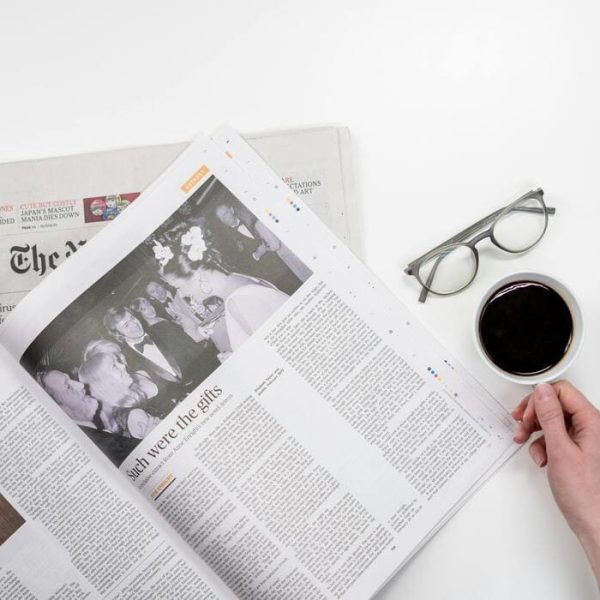
Every day brings a fresh wave of claims, screenshots and breaking alerts, and telling the solid ones from the shaky ones has become a daily skill rather than a specialist one. Misinformation now moves faster than the corrections that chase it, and a single misleading post can reach millions before anyone stops to check whether it is true. Understanding how false information spreads, and learning to slow down before you share, is one of the most useful habits a modern news reader can build.
Misinformation, disinformation and why the difference matters
Misinformation is false or misleading information shared without any intent to deceive, often by people who genuinely believe it and pass it along in good faith. Disinformation is the deliberate version, created and spread on purpose to mislead, manipulate or profit. The same false claim can be both, depending on who is sharing it and why. A friend forwarding a scary health rumour is spreading misinformation, while the person who invented that rumour to sell a supplement is running disinformation. Keeping the distinction clear helps you respond to each in the right way, since one calls for a gentle correction and the other for a harder look at motive.
Why false claims travel so fast
Speed is built into the system. Social platforms reward content that provokes a strong reaction, and outrage, fear and surprise all travel further than careful nuance. Research on how rumours spread has repeatedly found that false stories reach more people, and reach them quicker, than accurate ones. Add the fact that a lie can be written in seconds while a proper fact-check takes hours, and the race is lopsided from the start. Artificial intelligence has tilted it even further, because anyone can now generate a convincing image, voice clip or article in moments.
How to spot fake news before you share it
A few simple checks catch most of it. Start with the source, and ask whether it is a known outlet with a track record or an account you have never heard of. Look for a date, since old stories are constantly recycled as if they just happened. Read past the headline, because headlines are written to be clicked rather than to be complete. Search for the same claim elsewhere, and if only one obscure site is reporting something enormous, treat it with suspicion. Check images with a reverse search too, since a genuine photo from years ago is one of the most common ingredients in a false story. Learning how to spot fake news is less about expertise than about pausing long enough to ask a couple of plain questions.
The role of language and translation
Misinformation does not stop at borders, and a claim debunked in one country can arrive fresh and unchallenged in another once it crosses into a new language. Machine translation speeds this up, and while it is a remarkable tool, it can also strip away the context that would have flagged a story as false. The same technology that helps a rumour travel can also be used to check whether a translated document or quote can be trusted in the first place. Readers who follow the news in more than one language have to be doubly careful, because a small mistranslation can turn a cautious statement into a sensational one.
Building better habits
The goal is not to distrust everything, which is its own kind of trap, but to slow down. Follow a handful of outlets you have learned to rely on, and notice when a story seems designed mainly to make you angry. When something surprises you, check before you spread it, and be willing to correct yourself in public if you get it wrong. Communities can help here too, and forums like the r/OutOfTheLoop crowd exist precisely to untangle confusing stories and sort rumour from fact. It also helps to remember that the tricks used to fool readers overlap heavily with the tricks used to scam them, so the same instincts that help you recognise the common types of phishing will often catch a fake headline as well.
Separating misinformation from disinformation matters because one is an error and the other is a strategy, and they call for different responses. Product reviewing has a milder version of the same problem, where genuine enthusiasm and paid placement read almost identically. Anyone shopping for wireless earbuds learns to check whether a reviewer kept the unit long enough to say anything useful about the battery a year on.
Distinguishing error from deliberate deception is difficult because both exploit the same shortcuts in how we assess plausibility. Familiarity is mistaken for truth. Understanding those mechanisms is one of the areas where neuroscience has fed directly into how platforms build their detection tools.
When you get it wrong
Everyone shares something dubious eventually, and how you handle that moment matters more than the slip itself. If you post a claim that turns out to be false, delete or correct it openly rather than quietly hoping no one noticed, because a visible correction teaches the people who saw the original far more than silence ever will. Owning a mistake also makes you harder to fool next time, since the sting of being wrong sharpens the instinct to check. Newsrooms run corrections for exactly this reason, and holding your own feed to the same standard is a quiet act of good citizenship in a crowded information space.
None of this requires becoming a professional fact-checker. It asks only for a small, steady dose of skepticism and the patience to wait a beat before hitting share. In a news environment built for speed, that pause is the single most powerful tool most of us have, and it costs nothing but a moment of attention.